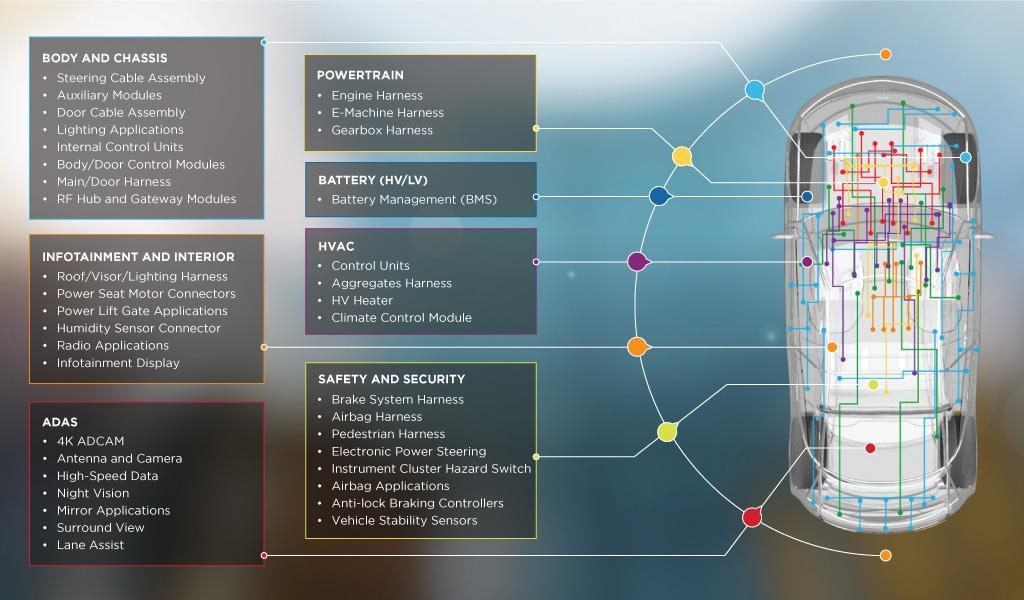
As the automotive industry has shifted over the past two decades from mechanical engineering toward an electronics- and software-dominant architecture, one of the most critical — yet most invisible — components of this transformation has been the automotive connector. A modern vehicle contains thousands of electrical connection points, and the reliability of those connections is directly linked to vehicle performance, safety, and durability. As ADAS, electric vehicles (EVs), infotainment systems, and high-speed data communication continue to evolve, connector systems have been forced to evolve at the same pace.
At its most basic, an automotive connector is an electromechanical component that provides reliable connection between electrical circuits. But in the automotive context, this definition falls short. These connectors must not only conduct electricity — they must also withstand harsh environmental conditions including vibration, temperature extremes, moisture, electromagnetic interference, and mechanical stress.
USCAR Standards: The Reference for Performance and Reliability

At the center of automotive connector standards sits USCAR (United States Council for Automotive Research). USCAR standards define performance criteria developed primarily by North American OEMs and referenced globally.
USCAR-2 — one of the most critical standards — defines performance requirements for automotive electrical connectors. Under this standard, connectors are tested for:
- Temperature resistance (−40 °C to +125 °C)
- Vibration resistance (up to 30 g)
- Sealing level (IP67 / IP6K9K)
- Electrical stability (contact resistance, insulation resistance)
- Mechanical durability (mating cycles, retention force)
USCAR standards simulate how connectors behave in real vehicle conditions — high temperatures in the engine bay, intense vibration under the chassis, water and mud exposure. USCAR also classifies connectors as sealed and unsealed, a distinction critical for interior versus exterior applications.
The Four Core Components of a Connector
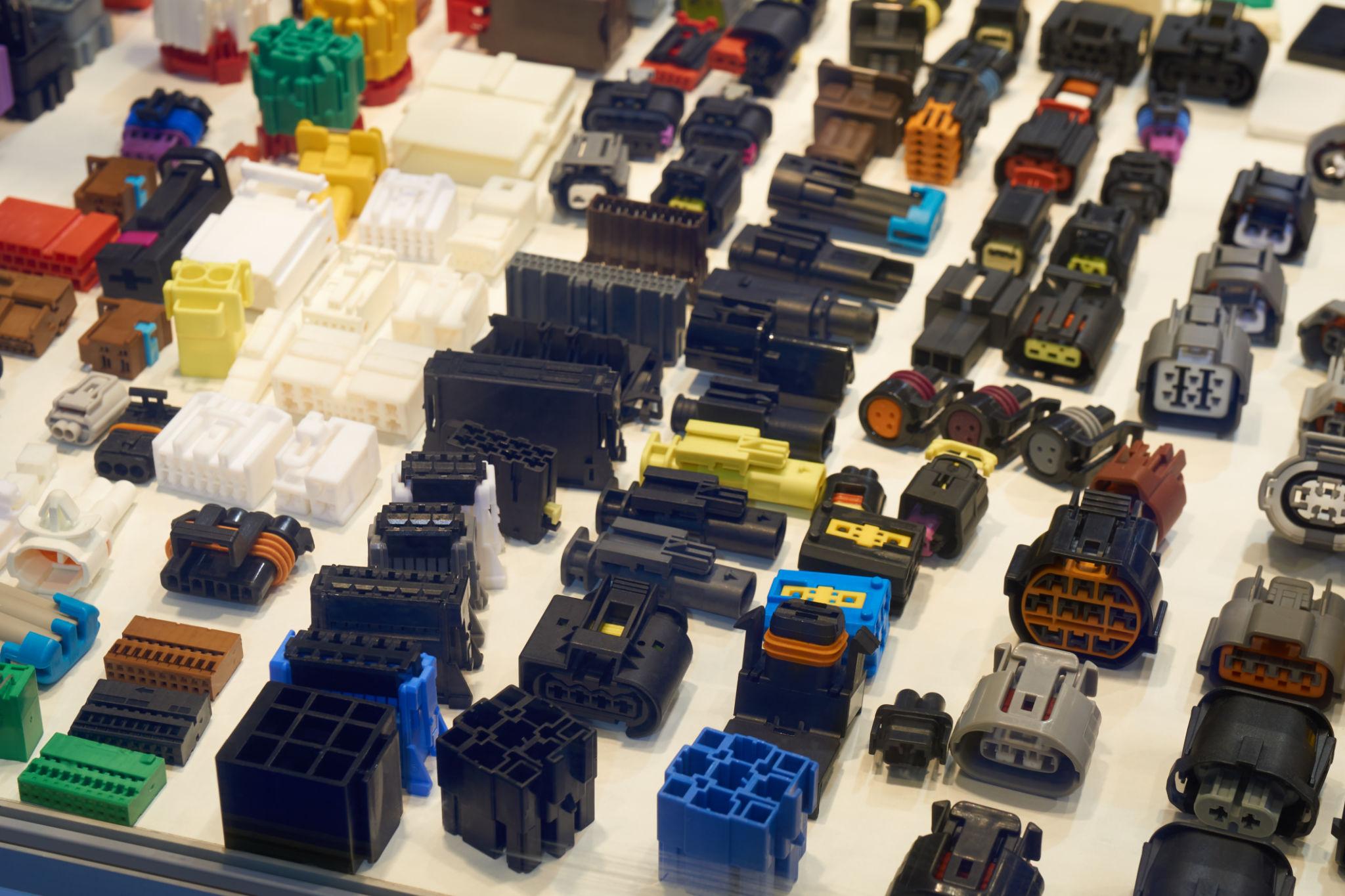
Every automotive connector is built around four essential elements:
- Contacts (Pin & Socket): Provide electrical conduction. Typically manufactured from phosphor bronze or copper alloy with gold, tin, or silver plating.
- Housing: Provides mechanical protection and terminal alignment. Materials range from PA66-GF for general use to PPA and PBT for higher thermal environments.
- Seals & Gaskets: Protect against water, dust, and chemicals. Critical for IP67/IP6K9K ratings.
- Locking Mechanisms: Prevent unmating under vibration and mechanical shock.
Contact surface reliability is particularly critical — it must remain stable throughout the entire service life of the vehicle, from initial assembly through years of thermal cycling and vibration.
TE Connectivity: High-Speed Data and Standardization
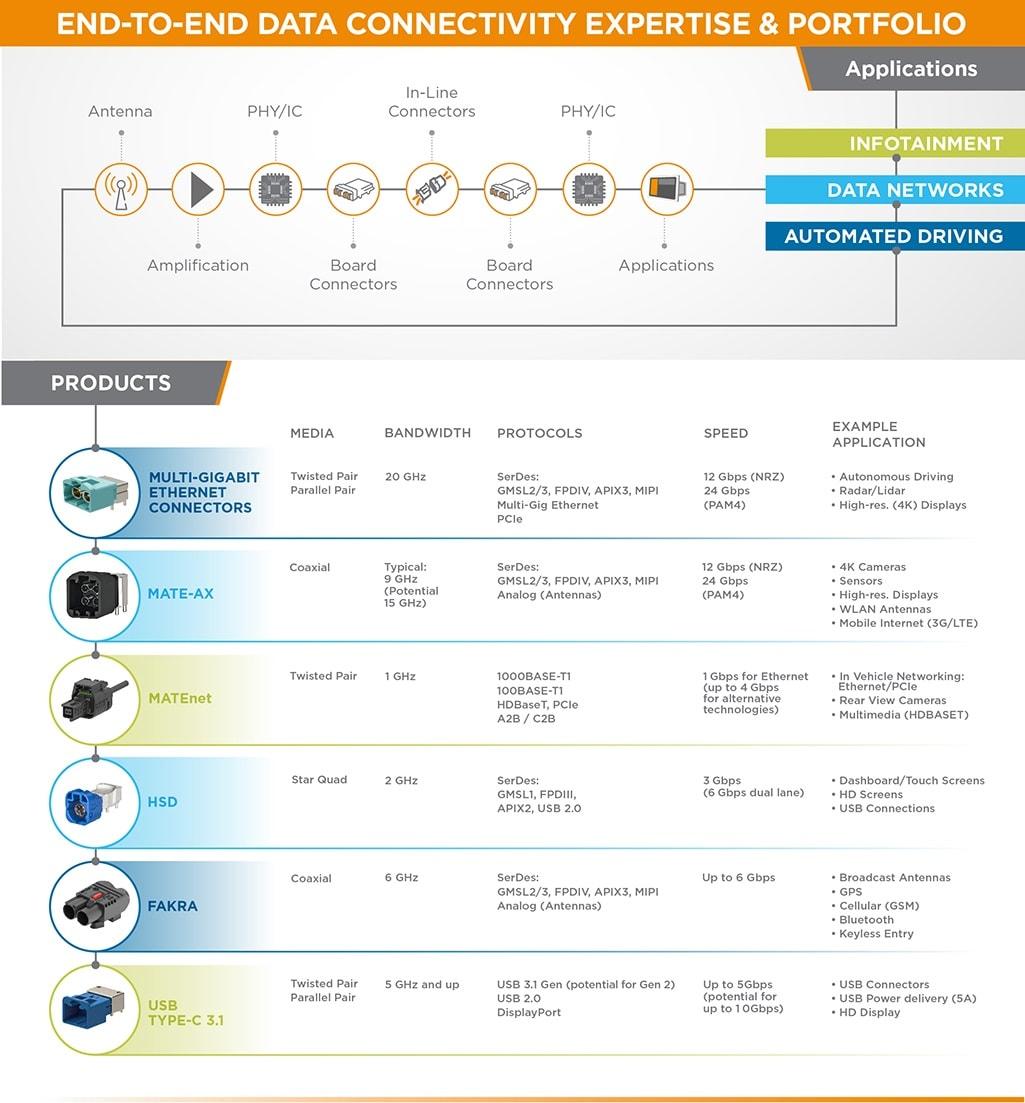
TE Connectivity is one of the world's leading manufacturers in the development of automotive connector standards. Solutions developed under standards like USCAR-30 have become critical for high-speed data transmission in modern vehicles.
TE systems are deployed across:
- USB, LVDS, and Ethernet-based data transmission
- Infotainment and display systems
- Camera and sensor connections (ADAS)
- Autonomous driving backbone networks
Data transmission in modern vehicles now reaches gigabit levels — up to 24 Gbps with PAM4 in emerging architectures. This requires connectors designed not only for electrical conduction but also for high-frequency signal integrity, with controlled impedance and minimal crosstalk.
Molex: Power and High-Voltage Connectors
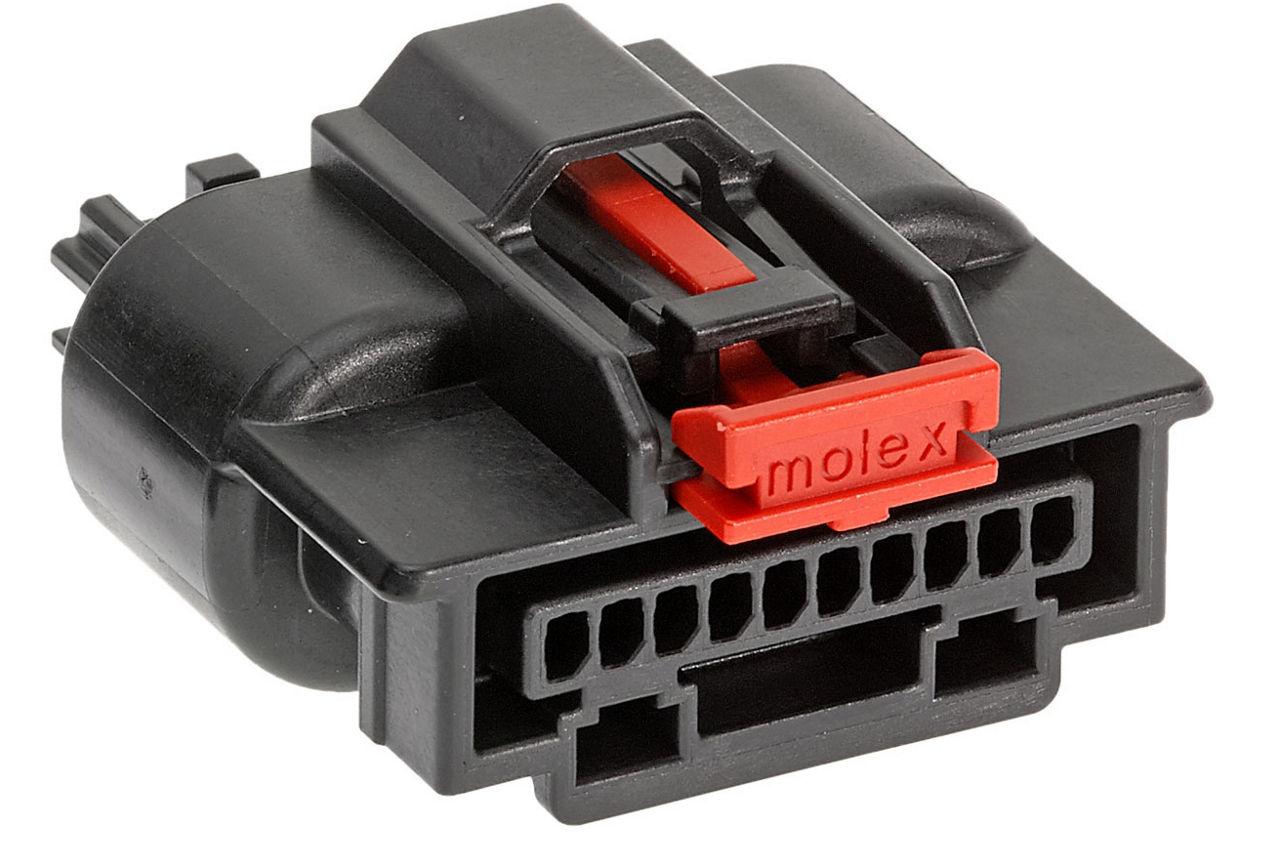
Molex stands out in the automotive connector space for its power and high-voltage applications. Starting from classic pin-socket designs, Molex connectors today offer high-performance solutions suited for EV and ADAS applications.
Modern Molex solutions feature:
- High-voltage capability (EV battery systems, 400V–800V+)
- EMI-shielded connections
- IP6K9K sealing
- High current-carrying capacity
Connector performance is especially critical in electric vehicles, where battery systems operate at hundreds of volts. Connections must be both safe and stable, and electromagnetic interference (EMI) control is a determining performance factor in these systems.
High-Speed Data and ADAS Systems
ADAS and autonomous driving technologies have completely reshaped connector standards. Beyond traditional power transmission, the following systems now demand high-bandwidth connectivity:
- Camera data streams (4K, multiple cameras)
- Radar and LiDAR systems
- In-vehicle Ethernet networks
This has driven development of next-generation connector technologies including:
- FAKRA and Mini-FAKRA — RF coaxial connectors for antenna and camera
- HSD (High Speed Data) — supporting GMSL/FPDIII at up to 6 Gbps
- Automotive Ethernet (100BASE-T1, 1000BASE-T1) — in-vehicle networking backbone
- Multi-Gigabit Ethernet Connectors — up to 24 Gbps for radar/lidar and 4K displays
Environmental Durability and Reliability
Automotive connectors operate in conditions far more demanding than most other electronic systems:
- Temperature range: −40 °C to +125 °C (engine bay up to +150 °C)
- Continuous vibration (powertrain, road surface)
- Exposure to water, mud, salt, fuel, and brake fluid
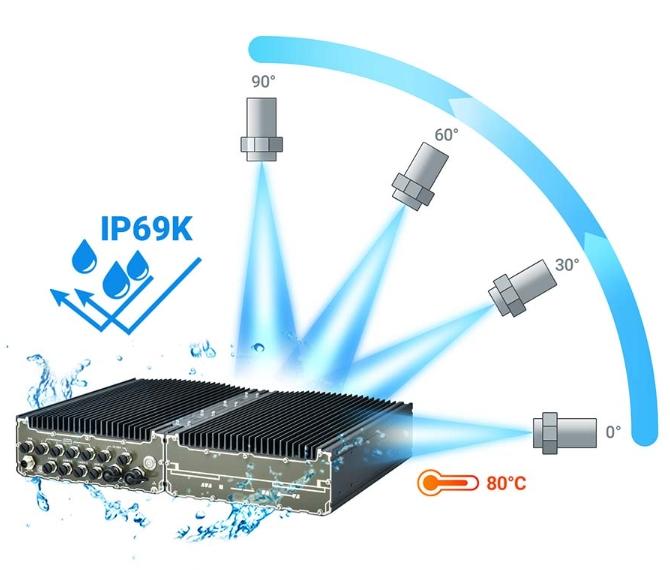
Protection classes IP67 and IP6K9K are critical benchmarks. IP6K9K specifically requires surviving high-pressure, high-temperature water jets — the standard test for underhood applications.
The majority of connector failures trace back to three root causes:
- Contact loss (fretting corrosion, oxidation)
- Open circuit (wire pull-out, terminal damage)
- Mechanical unmating (vibration fatigue, missing secondary lock)
Conclusion: Future Vehicles = Connected Ecosystems
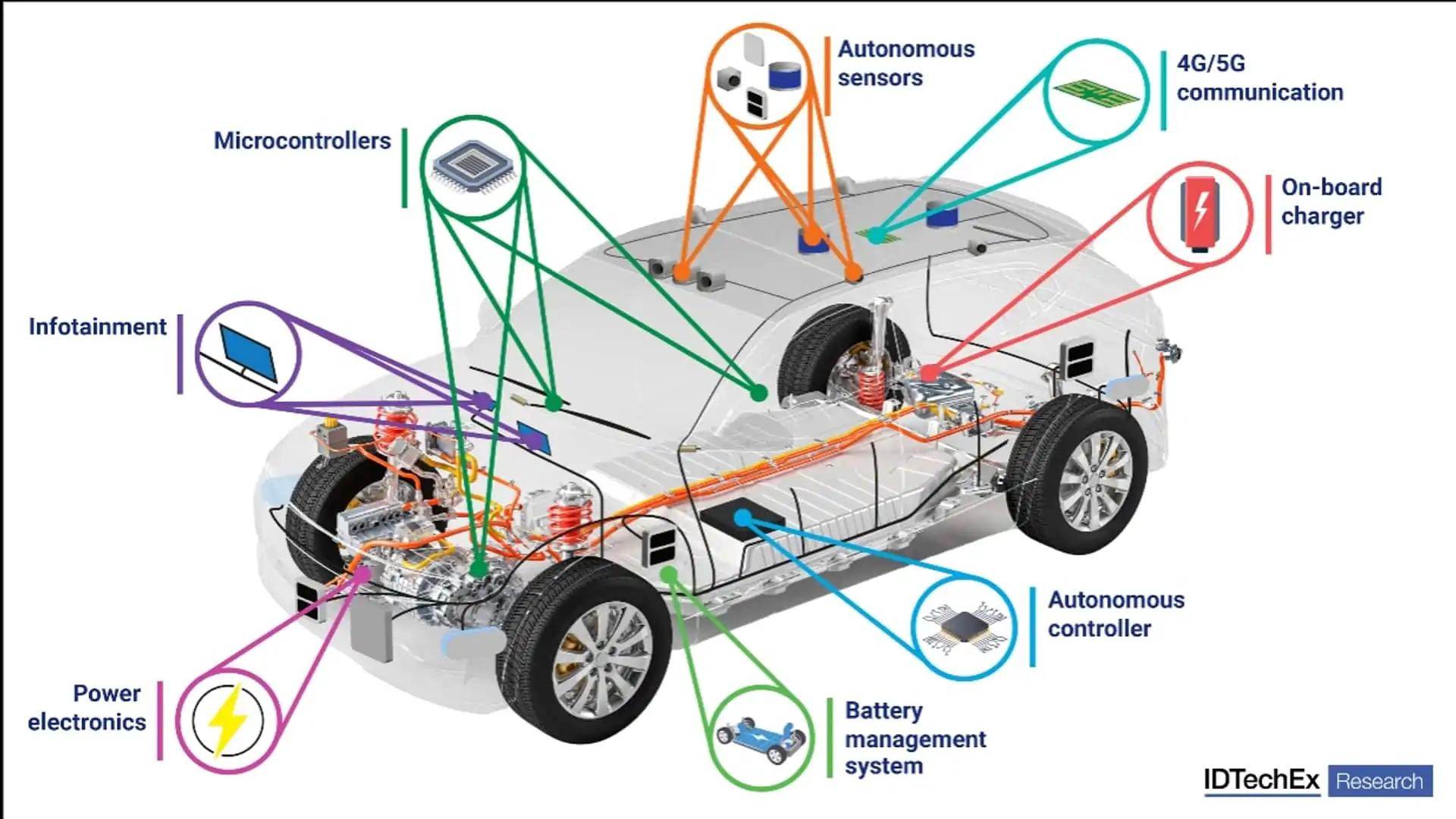
Automotive connectors form the invisible but most critical infrastructure of modern vehicles. USCAR standards guarantee the reliability of these systems, while manufacturers like TE Connectivity and Molex translate those standards into real products that advance the industry.
Looking ahead, connector technology will be driven by:
- More cameras and sensors per vehicle (Level 3–5 autonomy)
- Higher data rates (multi-gigabit in-vehicle Ethernet)
- Higher voltage systems (800V EV platforms)
- More compact, lighter designs (weight and packaging pressure)
In the automotive world, performance is no longer measured by engine power alone — it is measured by data throughput, connection quality, and system reliability. And the intersection of all three is automotive connector standards.
LAIDNA supplies automotive-grade connectors, wire harness assemblies, and electronic components to OEMs, Tier 1 suppliers, and custom integrators worldwide. Contact our team for sourcing support.