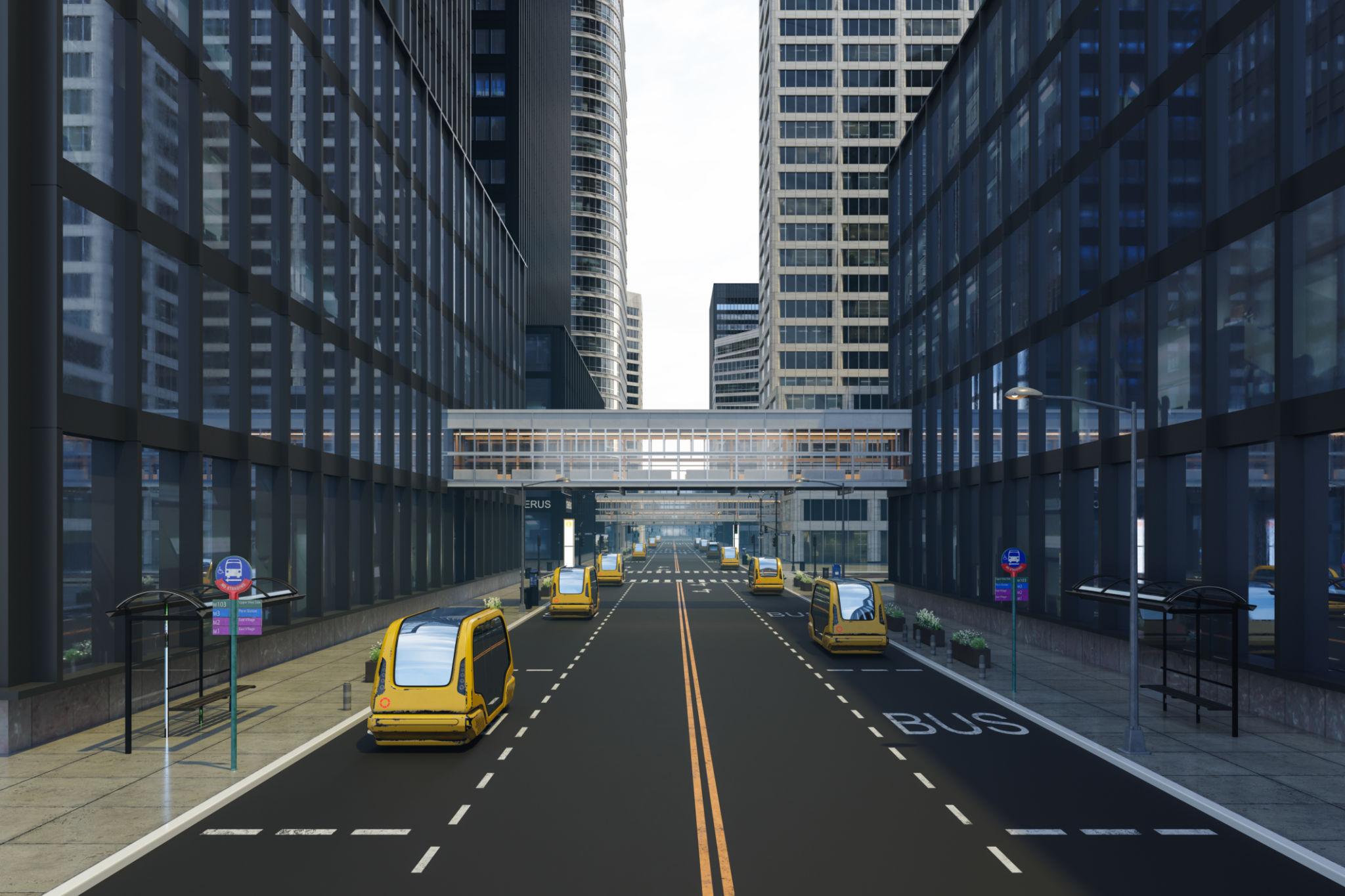
By 2025, the automotive world had long since ceased to be a conversation about horsepower, fuel economy, or design. It had transformed into an entirely different ecosystem — one where software, artificial intelligence, and sensing technologies sit at the center. The most critical building block of this transformation is, without doubt, ADAS camera systems. Advanced driver-assistance systems were initially developed as auxiliary tools to reduce human error, but today they represent a technological paradigm not merely supporting the driver, but preparing to replace them. This transformation is not just a technical milestone — it is a profound rupture with far-reaching economic, cultural, and sociological consequences.
The Evolution of ADAS: From Machine to Decision-Making System
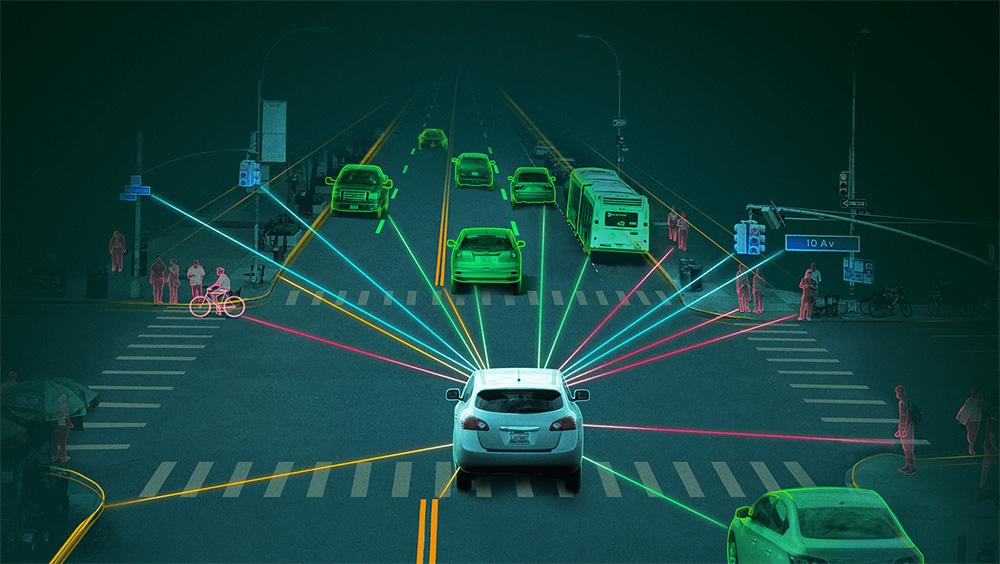
The evolution of ADAS systems is, in essence, a summary of technology's impact on human beings. First-generation systems were purely warning mechanisms — lane departure alerts, audible collision warnings. Control remained entirely with the human. In the second generation, the vehicle transformed from a passive warner into an active intervener: automatic braking, adaptive cruise control, and lane-keeping systems began to reshape the driving experience. Yet ultimate responsibility still rested with the driver.
The Semi-Autonomous Era: A Partnership Between Human and Machine
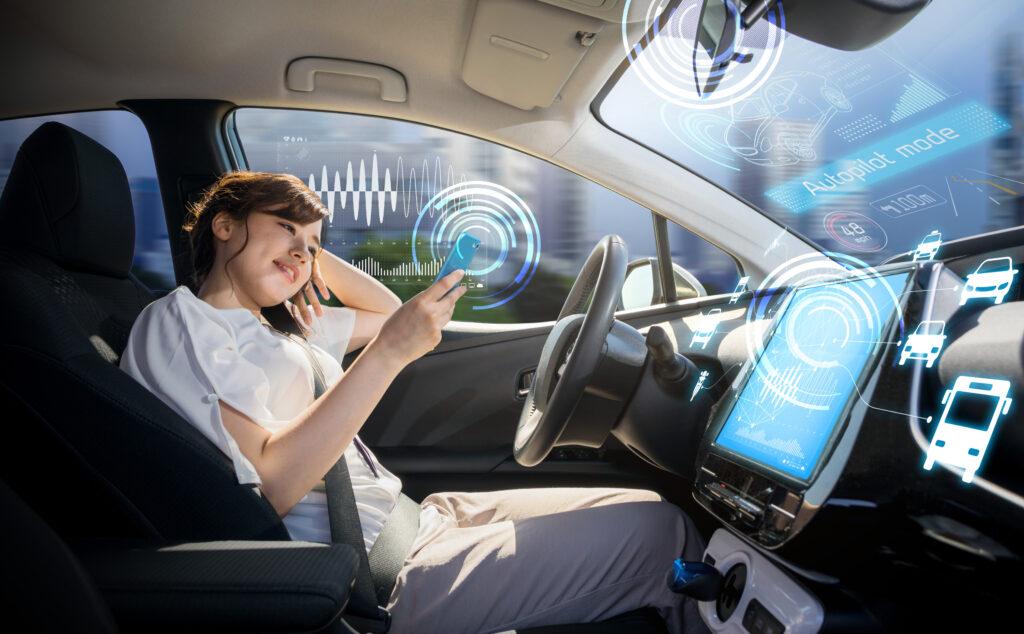
Third-generation ADAS systems — those representing the post-2025 period — mark the phase in which semi-autonomous driving begins to proliferate. At this stage, vehicles can take full control of the driving task under defined conditions. Camera systems play a critical role here: the vehicle's understanding of its environment relies overwhelmingly on visual data. Thanks to advanced AI algorithms, vehicles no longer merely recognize objects — they can also predict behaviors. They can analyze the likelihood of a pedestrian crossing the road, anticipate a sudden braking maneuver by the car ahead.
The Breaking Point: Driverless Cities
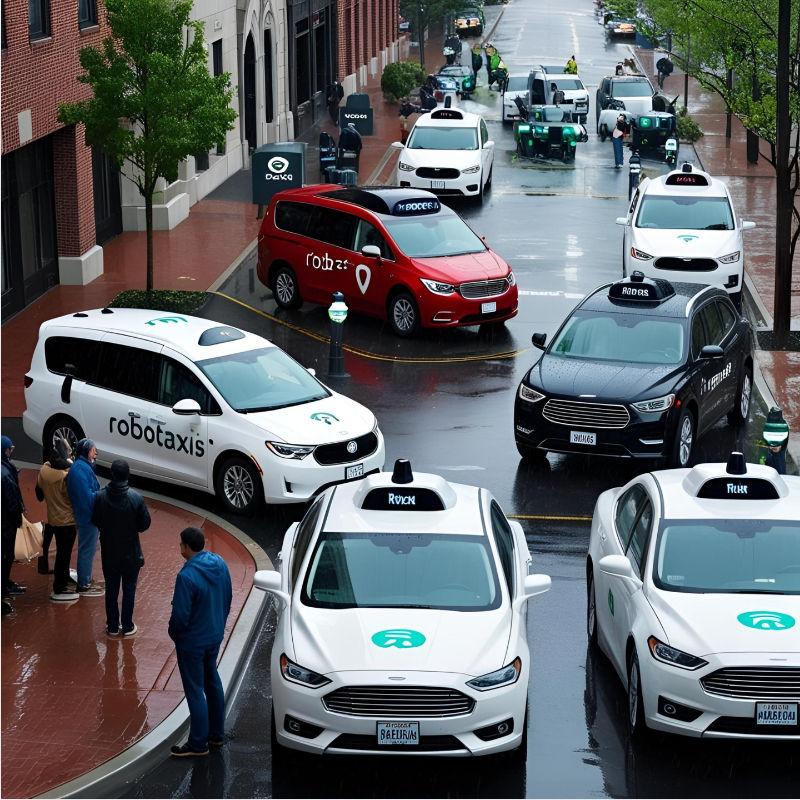
With the fourth generation, urban autonomy begins to become reality. Vehicles can now navigate complex traffic environments without human intervention. This is where a profound personal rupture occurs for people like Salih abi — a veteran taxi driver with decades of human-to-human connection behind the wheel. People summon vehicles through an app, yet no driver sits inside. At first, this creates a sense of alienation. People struggle to accept the absence of someone at the wheel. For individuals like Salih abi who spent years building rapport with passengers, this loss is not merely economic — it is psychological.
The Erasure of the Human Factor
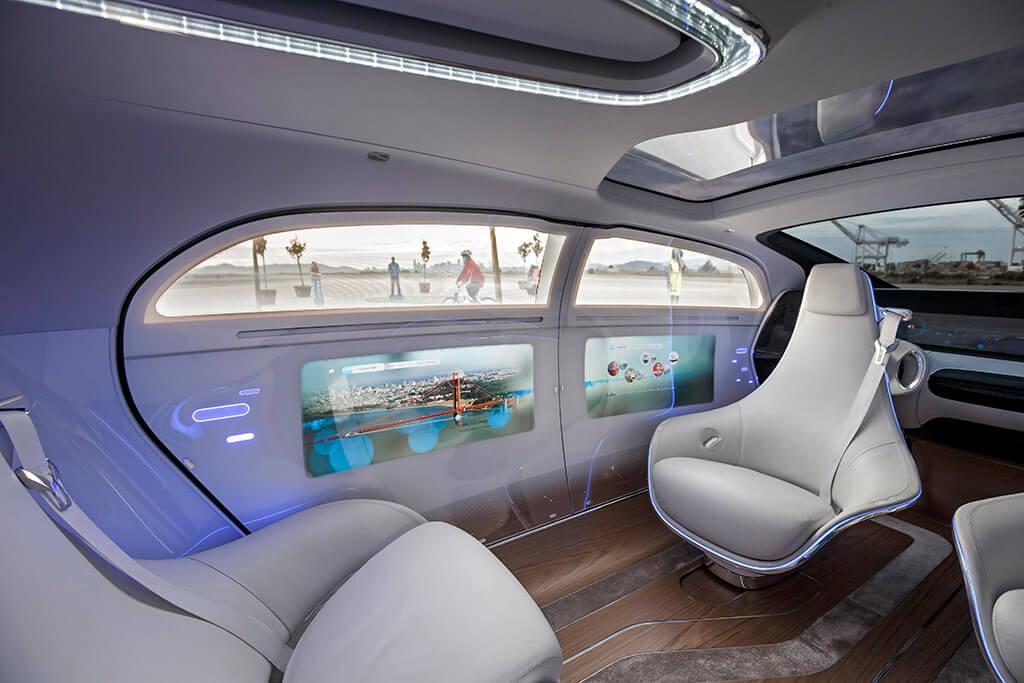
In fifth- and sixth-generation ADAS systems, the human factor is progressively removed from the system. The steering wheel becomes optional rather than essential. Vehicles transform into self-learning entities that continuously collect data and improve upon it. At this point, the very concept of the automobile is redefined. The vehicle is no longer merely a means of transportation — it becomes a mobile living space. People work, rest, and socialize inside their cars. As the act of driving disappears, the use of time itself is reshaped.
Salih Abi's Story: The Human–Technology Conflict
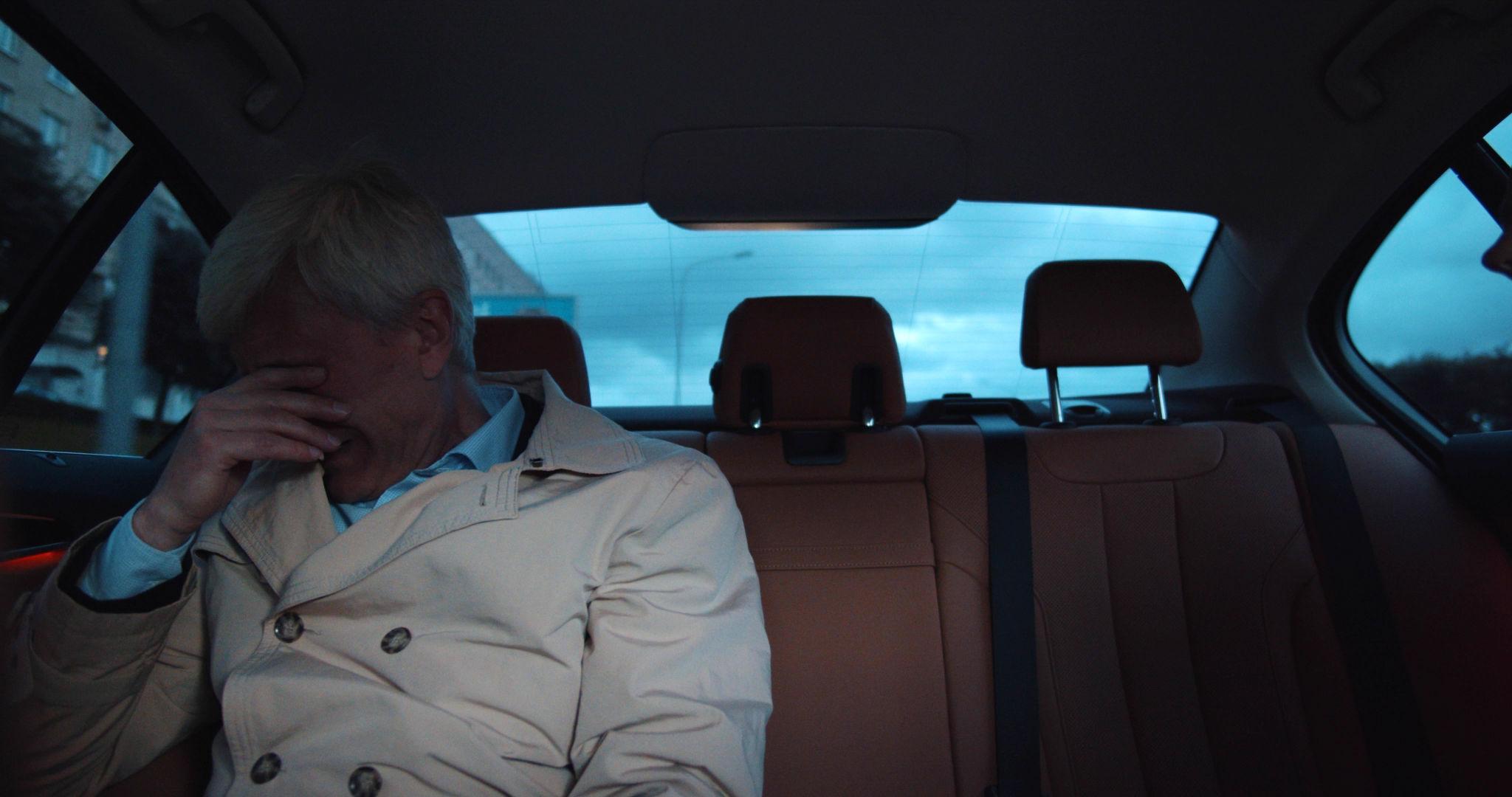
Salih abi finds himself at the very center of this transformation. At first he resists. He rejects the technology, longs for the old days. But over time he realizes he cannot remain outside the system. One day, he notices that where the old taxi rank once stood, a mobility hub has been built. People don't drive vehicles here — they manage them. Salih abi begins working there too. He is no longer at the wheel; he is at a screen. He monitors vehicle routes, checks for system errors, intervenes when necessary. This new role gives him meaning again — but it never fully replaces what was lost.
The New Economy and New Professions
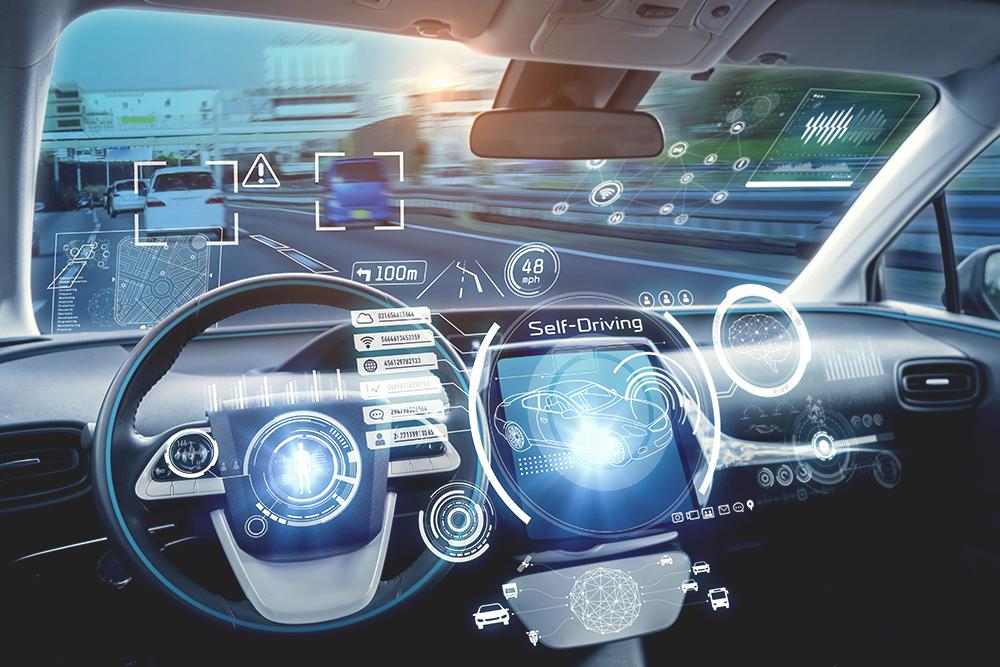
The spread of ADAS camera systems transforms not only individual stories but also macro-level economic structures. Combined with electric vehicles, these systems shift the automotive sector from a hardware-centric model to a software-centric one. This creates new fields of employment while causing certain professions to disappear entirely. Taxi driving, truck driving, and valet services shift largely to automation. In their place emerge data analysts, AI trainers, and system security specialists.
Cultural Transformation: From Freedom to Comfort

From a cultural standpoint, the concept of driving undergoes a radical change. Where driving a car was once a symbol of freedom, not driving will become a marker of comfort. This shift accelerates through the younger generation's seamless adaptation to technology. For new generations, sitting behind the wheel may be perceived not as a skill, but as an unnecessary burden.
Conclusion: A World Beyond the Steering Wheel

In conclusion, the future of ADAS camera systems represents a multidimensional transformation that affects not just the automotive industry but many areas of human life. There will be winners and losers in this transformation. But the most important question remains: where will the human being be positioned within it? Salih abi's story is an emotional reflection of that question. As technology advances, human beings must inevitably redefine themselves. Perhaps the real challenge is not letting go of the steering wheel — it is asking how we will redefine control itself.
LAIDNA supplies ADAS-grade camera modules, sensor fusion systems, and automotive-grade electronics to OEMs, mobility operators, and system integrators worldwide. Contact our team to explore how our technology portfolio can support your next platform.