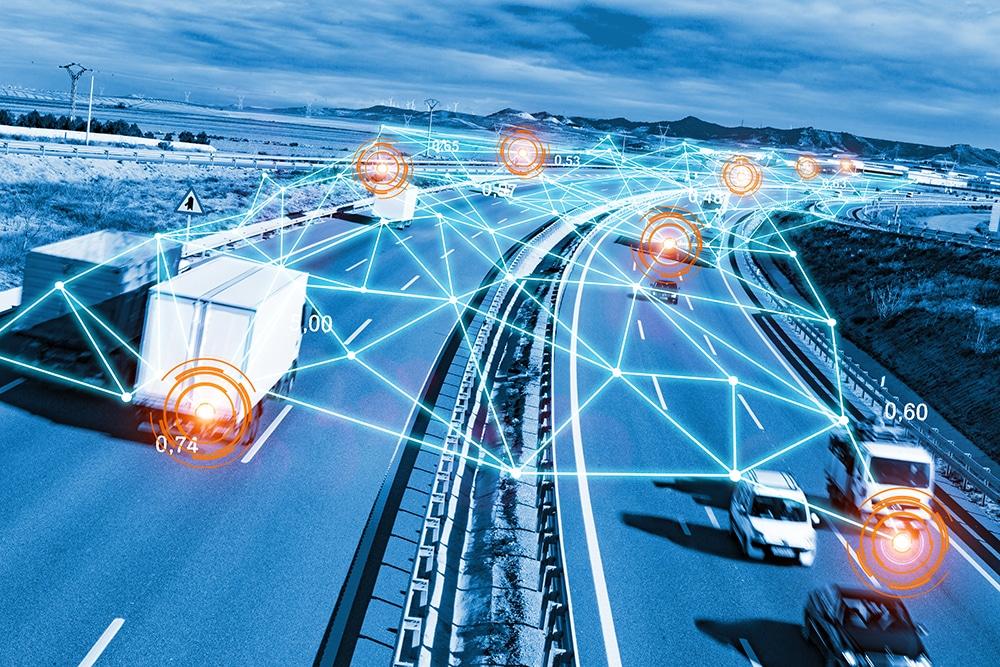
The logistics sector has become one of the industries most rapidly transformed by digitalization over the past decade. At the center of this transformation are fleet telematics and IoT (Internet of Things) technologies. Vehicles have evolved from purely physical assets into data-generating, analyzable, and optimizable mobile nodes — fundamentally changing how fleet management is understood. Today, a fleet's efficiency is measured not just by vehicle count, route planning, or driver experience, but by real-time data flow, analytical capacity, and system integration.
Fleet telematics systems work on the principle of transmitting data collected from vehicles to central platforms via wireless communication technologies and using this data in operational decision-making. Particularly with the widespread adoption of 4G and 5G connectivity, these systems are now accessible not only to large-scale logistics companies but also to small and medium-sized enterprises. The dramatic reduction in hardware costs and the proliferation of cloud-based software have democratized telematics solutions.
Core Components of a Telematics System
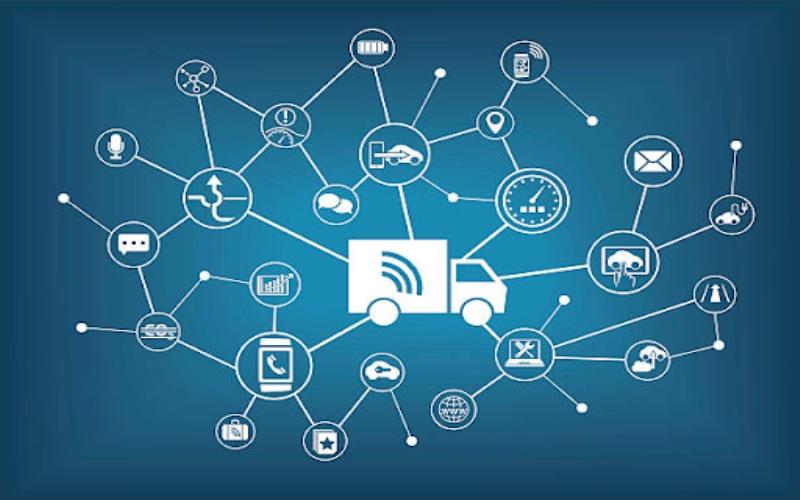
A modern fleet telematics system consists of multiple integrated hardware and software components, designed to continuously monitor both the physical condition and operational performance of vehicles.
- GPS module: Multi-constellation solutions (GPS, GLONASS, BeiDou) enable near-centimeter accuracy, critical for route optimization in dense urban environments.
- OBD-II / J1939 interfaces: Communicates directly with the vehicle's ECU to read engine data, fault codes (DTC), fuel consumption, and performance parameters.
- Cellular modems: 4G LTE Cat-1 and Cat-M1 solutions offer an ideal balance of low power consumption and wide coverage, with 2G fallback ensuring continuous connectivity.
- Accelerometer sensors: Analyzes driving behavior — detecting harsh braking, sudden acceleration, aggressive cornering, and collision events.
- Cloud platforms: All data is stored, analyzed, and delivered as actionable insights — geo-fencing, driver scorecards, route history, and real-time alerts.
Real-Time Monitoring and Operational Transparency
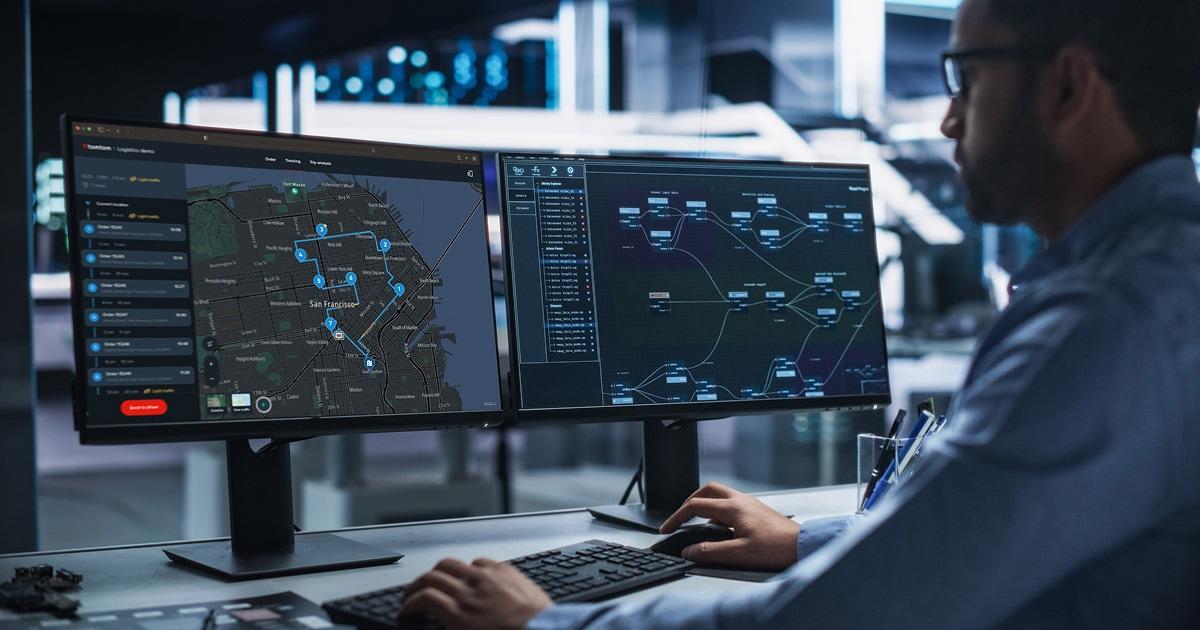
One of the most critical contributions of fleet telematics systems is providing real-time visibility. Fleet managers can monitor the location of all vehicles instantly, optimize routes, and respond quickly to operational disruptions.
- Improved delivery times
- Optimized fuel consumption
- Increased vehicle utilization efficiency
Operational transparency also yields significant customer experience advantages. Accurately predicting delivery times is one of the direct factors that increases customer satisfaction.
Predictive Maintenance: Intervening Before Failure

One of the areas where telematics systems create the highest added value is predictive maintenance. Traditional time-based maintenance models can lead to unnecessary costs or unexpected breakdowns. Telematics data makes it possible to detect faults before they occur by analyzing:
- Anomalies in engine performance
- Deviations in fuel consumption
- Changes in sensor data
This approach minimizes vehicle downtime, reduces maintenance costs, and extends vehicle lifespan.
ROI: The Financial Impact of Telematics

One of the most important advantages of fleet telematics investments is a measurable return (ROI). Research shows that telematics adoption delivers:
- 10–15% reduction in fuel costs
- Up to 30% decrease in unauthorized vehicle use
- Reduced insurance costs through verified driver behavior data
- Notable increase in operational efficiency
These gains create significant financial advantages, especially for fleets with high vehicle counts.
IoT Integration and Future Perspective
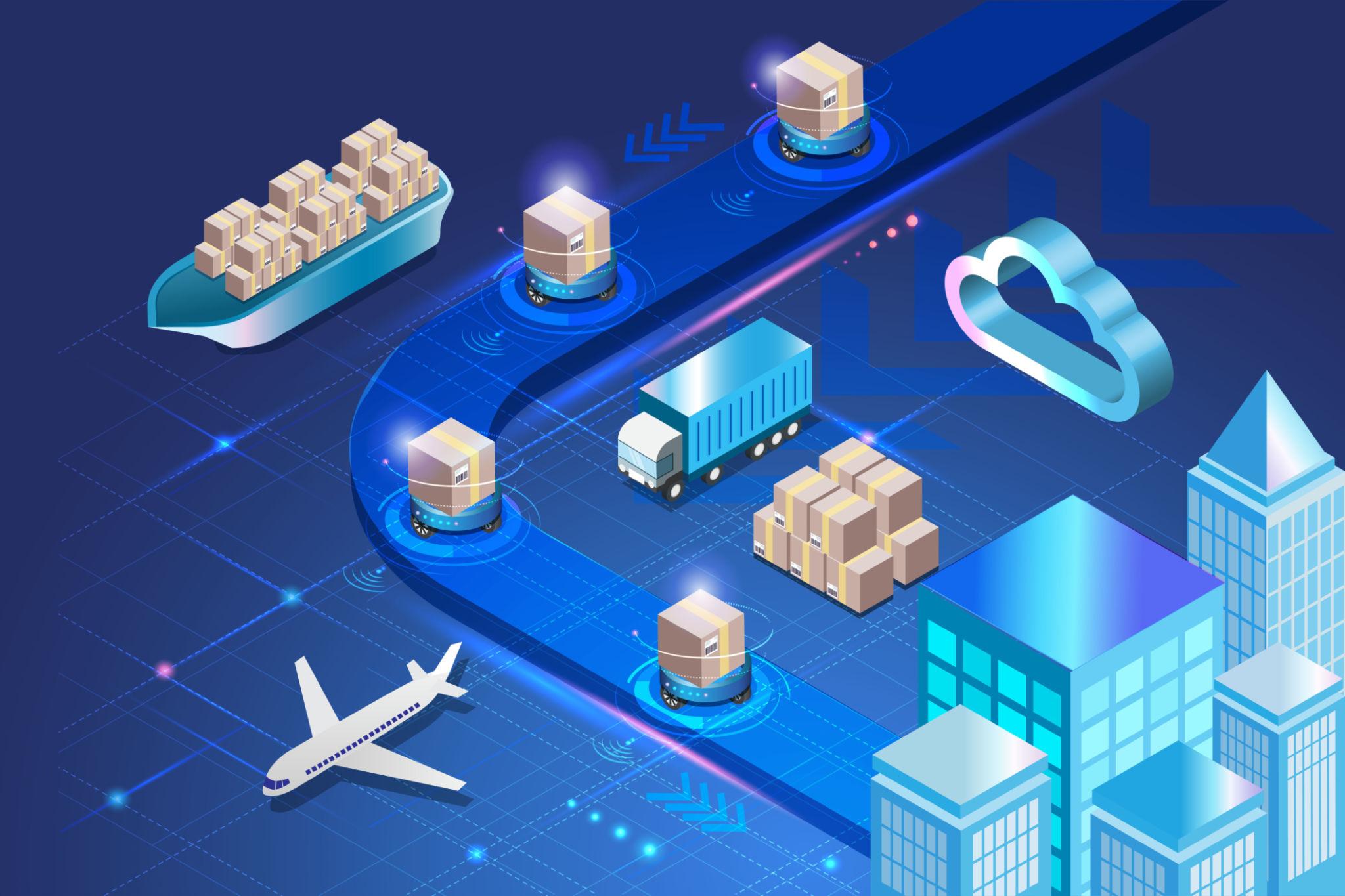
Fleet telematics systems are an important part of the IoT ecosystem. Vehicles are no longer just data-sending devices; they are smart components that work integrated with other systems. Future developments will further expand the scope of telematics:
- Vehicle-to-vehicle (V2V) communication
- Vehicle-to-infrastructure (V2I) communication
- Autonomous fleet management
The widespread adoption of 5G technology — with its low latency and high bandwidth — will accelerate this transformation.
LAIDNA Telematics Solutions
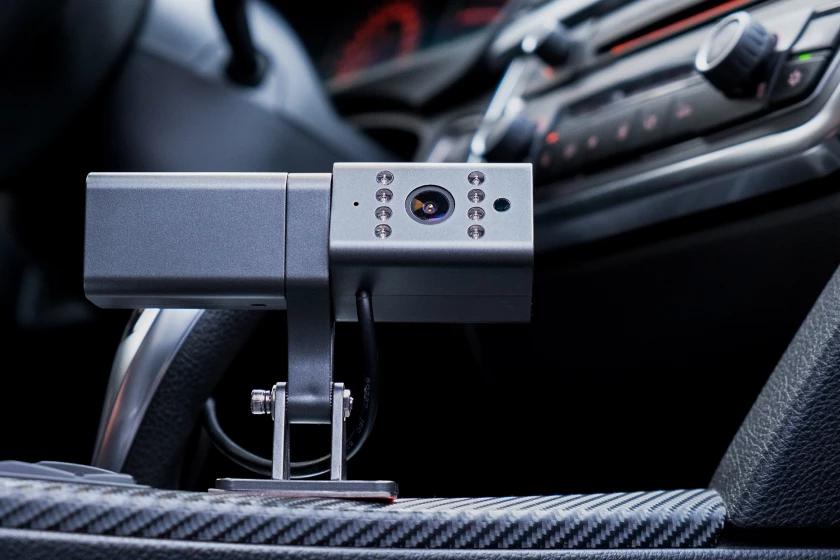
LAIDNA offers a broad product portfolio in the fleet telematics space:
- GPS tracker devices
- OBD-II dongle solutions
- 4G/5G hardwired telematics systems
- Dashcam-integrated solutions
All products come with open API support and provide easy integration with existing fleet management platforms.
Conclusion: Data-Driven Logistics Management

Fleet telematics and IoT technologies are transforming the logistics sector into a data-driven structure. This transformation not only increases operational efficiency but also offers significant advantages in safety, sustainability, and cost management. In the future, the success of logistics operations will be directly tied to data collection capacity, analytical competency, and system integration. Fleet telematics has become an indispensable component of the modern logistics ecosystem.